Hauling horses generally comes with the territory of being a reining trainer. Make sure to protect yourself, both financially and physically, before hitting the road.
By Kristin Pitzer
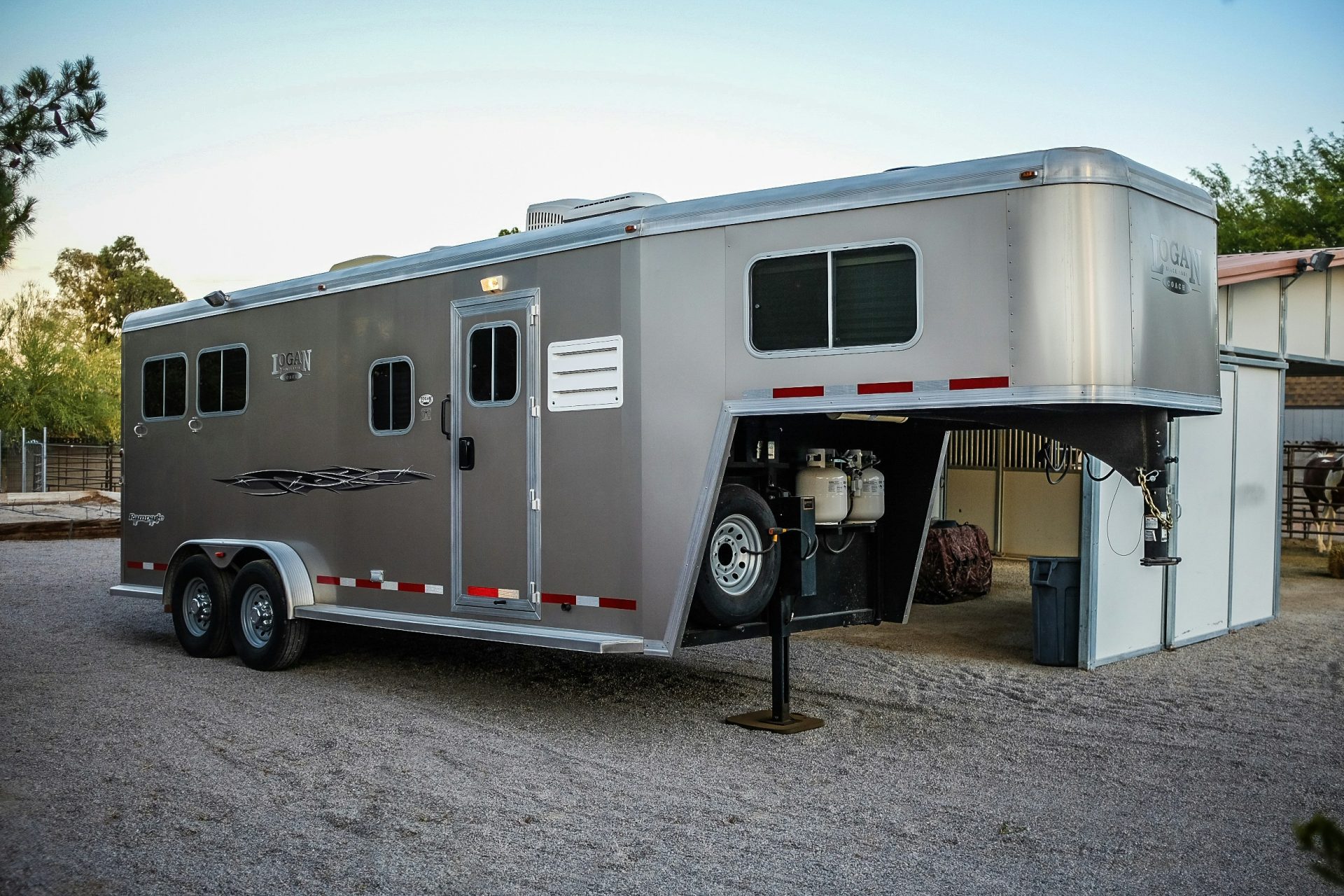
As a horse trainer, chances are you’ll find yourself on the road, hauling your clients’ horses between events and home, to and from the vet, etc. Whether you’ve been in the business for years or are just getting started, you might not have given much thought to what would happen in the event of an emergency, especially one where the horses on your trailer are injured. Would their loss be covered by your insurance, for instance, or could you find yourself liable for their value?
Even outside of insurance, there are things to consider, such as towing with the proper vehicle and having a plan in case of an emergency. Jordan Willette, an attorney based in Phoenix and San Francisco, offered several tips to protect yourself when hauling horses.
Ensure That You’re Covered
If you’re operating your business under an LLC or a partnership, you likely already have commercial insurance. The first thing you’ll need to do if you’re going to haul horses for your clients is ensure that your vehicles and trailers are all listed under that policy. Some insurance companies require separate vehicle insurance as well, so speak with your agent to confirm you are in compliance.
If you’re operating as a sole proprietorship, you’ll need to speak with your insurance carrier to determine whether your type of business is covered. Depending on the state you live in, there are different policies it could fall under.
“I’d recommend sitting down and having a conversation with your insurance carrier, explaining what types of driving and hauling you’re doing,” Willette said. “Some people use their vehicles for personal use; some have their assistants drive the vehicle; then there’s the aspect of hauling. No matter what your personal situation is, talk to your insurance carrier and say, ‘This is what I’m using the vehicle for. I want to be sure I have adequate insurance coverage for these issues.’”
If you don’t have the proper insurance and end up in an accident where a horse that’s insured by its owner ends up seriously injured or killed, the horse’s insurer could hold you personally responsible for repaying its value. With the costs of today’s horses, that could cause a huge loss for your business or personal finances.
“Especially with the value of some of these horses now, if something happened, heaven forbid, and you lost the horses, do you have enough insurance to cover for the loss of each horse that you were hauling?” Willette asked. “That’s not something that I think would’ve been an issue a number of years ago, but it’s becoming increasingly so.”
Use the Correct Tow Vehicle for Your Trailer
When you’re towing a trailer, it’s your responsibility to make sure the vehicle you’re using is the correct size for the weight of the loaded trailer, or the gross trailer weight (GTW). The GTW is the trailer’s weight plus the weight of the horses, hay, feed, tack, and anything else it’s carrying. Failure to use the correct tow vehicle could not only get you a citation but is also dangerous, as it may not have the braking power needed to bring the trailer’s weight to a stop.
Your vehicle’s towing capacity can usually be found in its owner’s manual or on the inside door panel of the vehicle, and the trailer’s empty weight is often printed on a sticker at its front end. If you’re not sure how much your trailer weighs when loaded, you can take it to a public scale and have it weighed.
Trailer weight can also affect your classification on the road. Generally, a one-ton truck hauling a six-horse trailer isn’t going to need anything more than a standard driver’s license, but if you’re pulling a trailer with a semi, most states will require a CDL license.
“Depending on what type of driving you’re doing, you may need a different type of license,” Willette said. “You’re only required to have whatever license your state requires, which is often determined by how big the truck and trailer are. Always have the necessary documentation on hand for the type of hauling you’re doing. You may have to show this documentation when you cross state lines. It’s good to know the laws in each state in advance of your trip.”
Have a Plan in Case of an Accident
Before hitting the road, communicate your horse-care protocol while traveling to anyone else assisting you on the trip. This should cover watering and feeding horses, overnight stops, driver changes, etc. It’s a good idea to have someone along that can perform basic maintenance, such as tire changes, too.
“I always recommend having a safety plan,” Willette said. “A first-aid kit for the horses is necessary, too, such as having electrolytes on hand in case a horse gets dehydrated or bute if they get hurt. By having those things in place, you can be prepared in the event of minor emergencies.”
Look up your route in advance, and if you have to stop along the way, ensure that there will be a safe place you can pull off the road and rest. Above all, stay aware of other vehicles on the road, give yourself space, and remember that the general public has no idea how long it takes a large truck and loaded-down trailer to stop.
“People on the road don’t know how to drive around trucks and trailers, and they sure as heck don’t leave enough room for when there’s a horse trailer in front of them,” Willette said. “Practice defensive driving, because if something happens and you’re not at fault, it’s highly unlikely the other person will have enough insurance to cover whatever happens.”